How to Choose Your Perfect Wedding Venue
A step-by-step guide to touring venues, understanding hidden fees, and booking the right space for your guest count and vision.
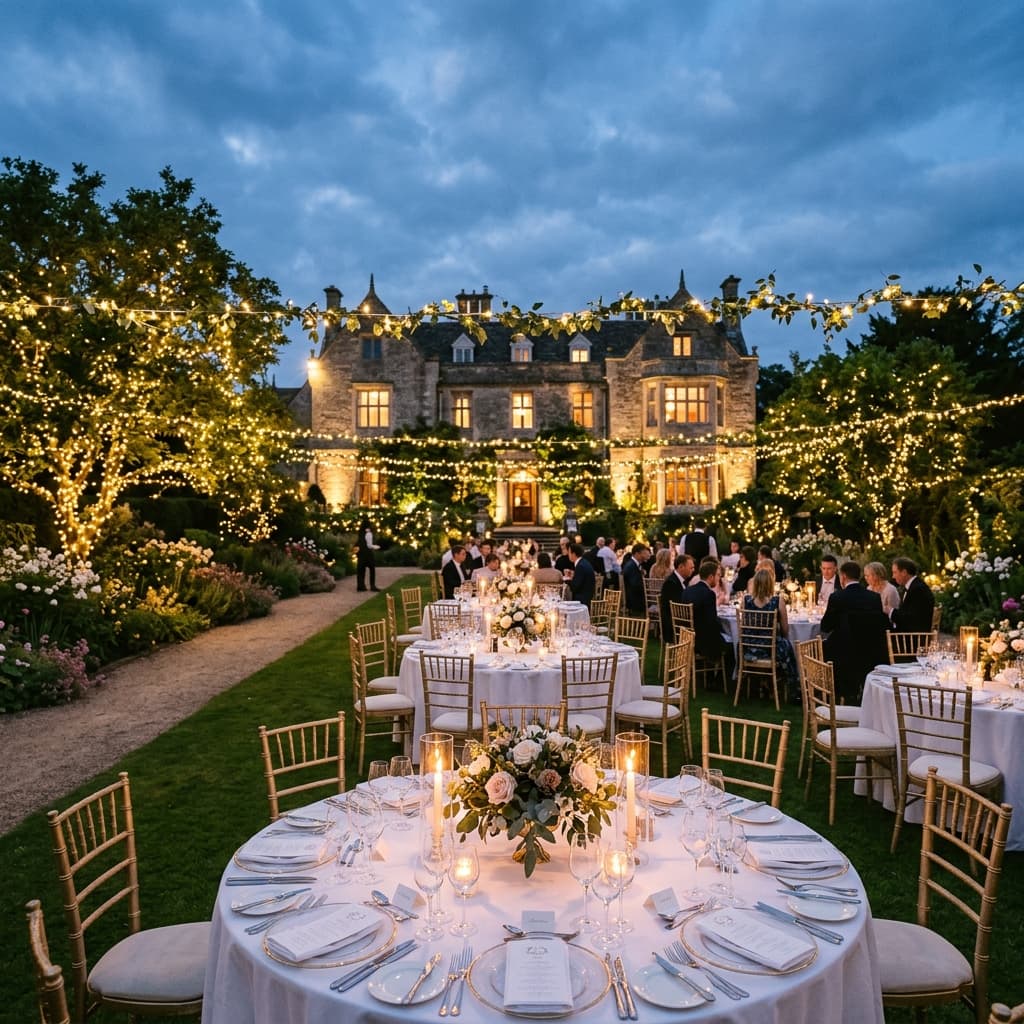
Editors at Eternally research venue, budget, and timeline practices for couples using our free planning tools. Guides are fact-checked against current vendor norms and updated when industry averages change.
What is All-Inclusive vs. Raw Space Venue?
An all-inclusive venue provides catering, tables, chairs, and linens in-house. A raw space (or blank canvas) venue only provides the building, requiring the couple to bring in every single vendor and rental item.
Short answer: Choose a venue only after you know your guest count and total budget—then compare all-in cost (site fee + F&B + ++ charges), not the brochure rate alone.
Your venue locks the date, drives about half the spend, and sets the aesthetic. Cap numbers in the free wedding budget calculator and a firm headcount in the guest list manager before you fall in love with a tour.
Step 1: Know Your Numbers Before You Look
Direct answer: Do not tour until you have a hard guest-count range and a maximum all-in venue budget—otherwise capacity or F&B minimums will force a painful rethink later.
Falling in love with an intimate garden that holds 75 people is a disaster if your mandatory family list is already at 120. Confirm capacity against your list, then test a seating sketch with the free seating chart maker using the venue's floor plan.
Step 2: Watch Out for the ++ (Plus Plus)
Direct answer: Always ask about the “plus plus”—service charge (often 20–25%) plus tax—because a $100/person package can land near $135/person once those are applied.
When reviewing venue pricing, clarify what the site fee includes versus F&B minimums, overtime, cake-cutting fees, and corkage. Log every quote line in your budget tracker so the real total is visible before you put down a deposit. Browse leaner options in our affordable wedding venues guide or the longer venue selection overview.
Step 3: Compare All-Inclusive vs Raw Space
Direct answer: All-inclusive venues cost more upfront but reduce vendor risk; raw spaces look cheaper until you add rentals, catering, restrooms, and staffing.
Ask each venue for a sample “real” invoice for your guest count. If you are stretching dollars, pair venue hunting with $10K wedding planning tactics so the room choice matches the overall plan.
Plan this with Eternally
Put this advice into action with free tools for budgets, guests, seating, and timelines.
Frequently Asked Questions
What is a food and beverage minimum?
Is it cheaper to have a backyard wedding?
What does a "site fee" cover?
Continue Reading
How to Plan a Wedding on a $10,000 Budget
Learn step-by-step how to plan a beautiful, memorable wedding without exceeding a $10,000 budget. Discover the best corners to cut and where to invest.
DIY Wedding Centerpieces That Look Professional
Learn how to create stunning, professional-looking DIY wedding centerpieces without the florist price tag. Step-by-step guides and tips.