The Ultimate Guide to Choosing a Wedding Venue
Your venue dictates almost everything else about your wedding—from the guest count to the decor and the date. Here is exactly what you need to consider before putting down a deposit.

1. Determine Your Guest List Size First
This is the most common mistake couples make: booking a venue before knowing how many people they are inviting. Every venue has a strict maximum capacity due to fire codes. You cannot squeeze 200 people into a room designed for 120.
Conversely, booking a massive ballroom for a 50-person micro-wedding will make the space feel empty and cold. Use a guest list tracker to get a rock-solid headcount estimate before touring.
2. Understand Your "Real" Budget
A venue's rental fee is only a small piece of the puzzle. When looking at the cost of a venue, you must consider what is included. This is known as the difference between a "Blank Slate" venue and an "All-Inclusive" venue.
Blank Slate Venues
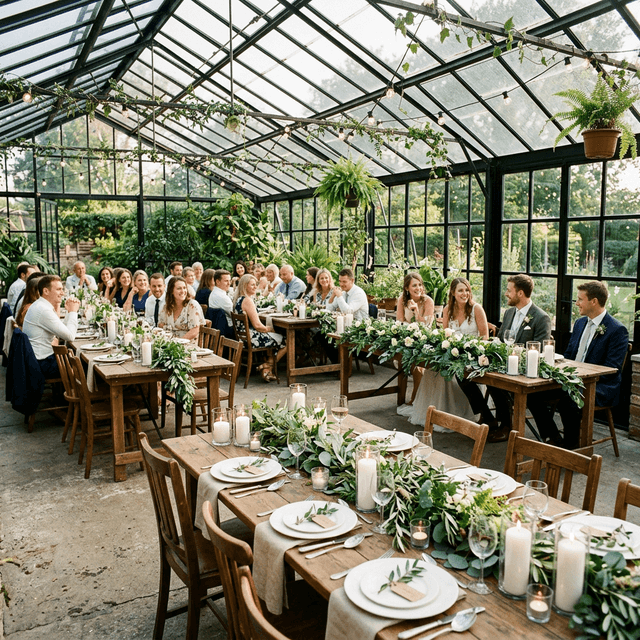
Think raw industrial warehouses or private estates. They appear cheaper upfront ($5k rental fee), but you must rent *everything*—tables, chairs, linens, lighting, and sometimes even porta-potties. They often end up being more expensive.
All-Inclusive Venues
Think hotels or country clubs. The upfront fee is higher, but it includes the tables, chairs, basic linens, flatware, and in-house catering. This is generally the easier, more cost-effective option for couples planning without a professional coordinator.
3. Keep the Guest Experience in Mind
While the day is about you, the experience heavily impacts your guests. Consider the logistics:
- Location: If it's a destination wedding, how far is the venue from the nearest major airport?
- Accommodations: Are there hotels nearby for out-of-town guests to stay?
- Transportation: Will you need to provide a shuttle service if the venue is remote? Is there adequate parking?
- Accessibility: Is the venue safe and accessible for elderly or disabled guests?
Crucial Questions to Ask on Your Tour
- Is there a designated "Plan B" space if it rains during an outdoor ceremony?
- Are there any noise ordinances or restrictions on when the music must stop?
- Do you require me to use a specific list of "exclusive" vendors, or can I bring in my own?
- How many hours of setup/teardown time are included in the rental?
4. Visualization and Floor Plans
When you walk into a venue, try to visualize exactly how the evening will flow. Where will the cocktail hour be? Where is the dance floor located relative to the tables?
The best way to know if a venue is a perfect fit is to ask them for a physical map of the space, and try plugging it into a digital seating chart tool. If you can comfortably fit your estimated guest count with room for a band and a dance floor, you've found a winner.
Frequently Asked Questions
How far in advance should I book my wedding venue?
What questions should I ask when touring a wedding venue?
Should I choose my venue before or after setting my budget?
What is the difference between an all-inclusive venue and a dry hire venue?

Does your dream venue fit the budget?
Use our free wedding budget calculator to ensure your venue rental fees and catering minimums align with your overall financial goals.
Calculate Your Venue Budget